Best Grammy Ever Floral Patchwork Design: A Designer's Guide
In a world saturated with generic templates, the Best Grammy Ever Floral Patchwork Design stands out as a masterclass in layered, emotional typography. This design isn't just a collection of elements; it's a sophisticated visual narrative that blends the warmth of handcraft with the precision of digital graphic design. For creators seeking to evoke genuine nostalgia and affection, understanding its composition is key to leveraging its full potential.
Anatomy of a Compelling Visual Asset
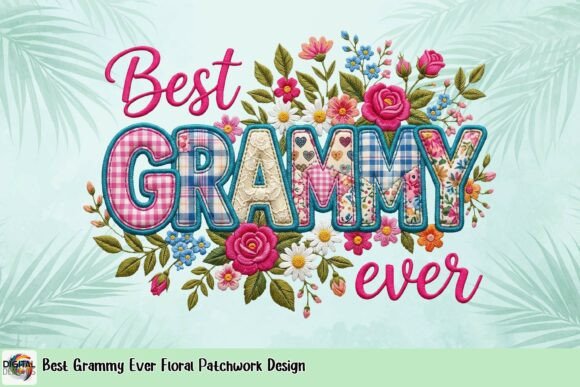
At its core, this design utilizes a mixed-media aesthetic that is currently trending in modern branding and visual communication. The combination of gingham textures, delicate lace overlays, and vibrant floral motifs creates a rich tactile experience, even on a flat screen. This complexity serves a vital purpose in visual hierarchy—it draws the eye inward, ensuring the central message—the celebration of "Grammy"—remains the focal point.
The typography itself is a study in contrast. By juxtaposing the elegant, flowing cursive of "Best" and "ever" with the bold, patchwork construction of "Grammy," the designer creates a dynamic interplay between sophistication and playful sincerity. This approach prevents the design from feeling static, making it highly effective for engagement in both digital and print environments.
Strategic Applications in Creative Projects
For graphic designers and business owners, this asset offers versatility that extends far beyond simple greeting cards. Its high-resolution PNG format allows for seamless integration into various design workflows. Consider these practical applications to elevate your next project:
- Merchandise and Packaging: The patchwork texture translates beautifully onto physical goods. Use this design for custom tote bags, ceramic mugs, or t-shirt prints. In packaging design, it can serve as a hero element for artisanal products, suggesting a handmade, premium quality.
- Digital Marketing and Social Media: In the fast-paced environment of social media graphics, distinct textures stop the scroll. This design is perfect for Mother’s Day campaigns, family-oriented brand storytelling, or UI design elements for community-focused apps.
- Editorial and Web Design: Break the grid in editorial design by using this floral wreath as a decorative pull-quote background or a featured image header. It adds a layer of personality to blogs that focus on family, lifestyle, or vintage aesthetics.
Integrating Patchwork Elements into Professional Branding
When incorporating a design as distinct as the Best Grammy Ever Floral Patchwork Design into a brand identity, consistency is paramount. The key is to treat this design not as an isolated image, but as part of a broader visual design system.
Color Palette Coordination: Extract the dominant hues from the floral arrangement and the patchwork letters. Use these colors for secondary UI elements, such as buttons or background washes, to create a cohesive color palette that feels intentional rather than chaotic.
Scalability and Readability: Always test the design at the scale it will be viewed. While the intricate lace and floral details look stunning on a desktop banner, they may lose clarity on a mobile favicon. Ensure the bold lettering of "Grammy" remains legible across all devices to maintain visual hierarchy.
Elevating Communication Through Texture
In modern graphic design, flat vector graphics are giving way to more organic, textured styles that evoke human connection. This patchwork design exemplifies how layering different fabric textures can add depth and authenticity to a message. It transforms a simple sentiment into a premium presentation, signaling to the viewer that care and effort were invested in the creation.
Ultimately, the success of any creative project lies in the details. By selecting assets that possess both emotional resonance and technical quality—like this floral patchwork—you ensure that your final product communicates not just a message, but a feeling. Thoughtful design choices like these bridge the gap between visual appeal and meaningful storytelling.